Taming the Kraken: A Complete Guide to Managing Technical Debt in Software Projects
Technical debt is inevitable, but unmanaged it can sink your project. Learn proven strategies to identify, categorize, prioritize, and strategically pay down your software's hidden liabilities.
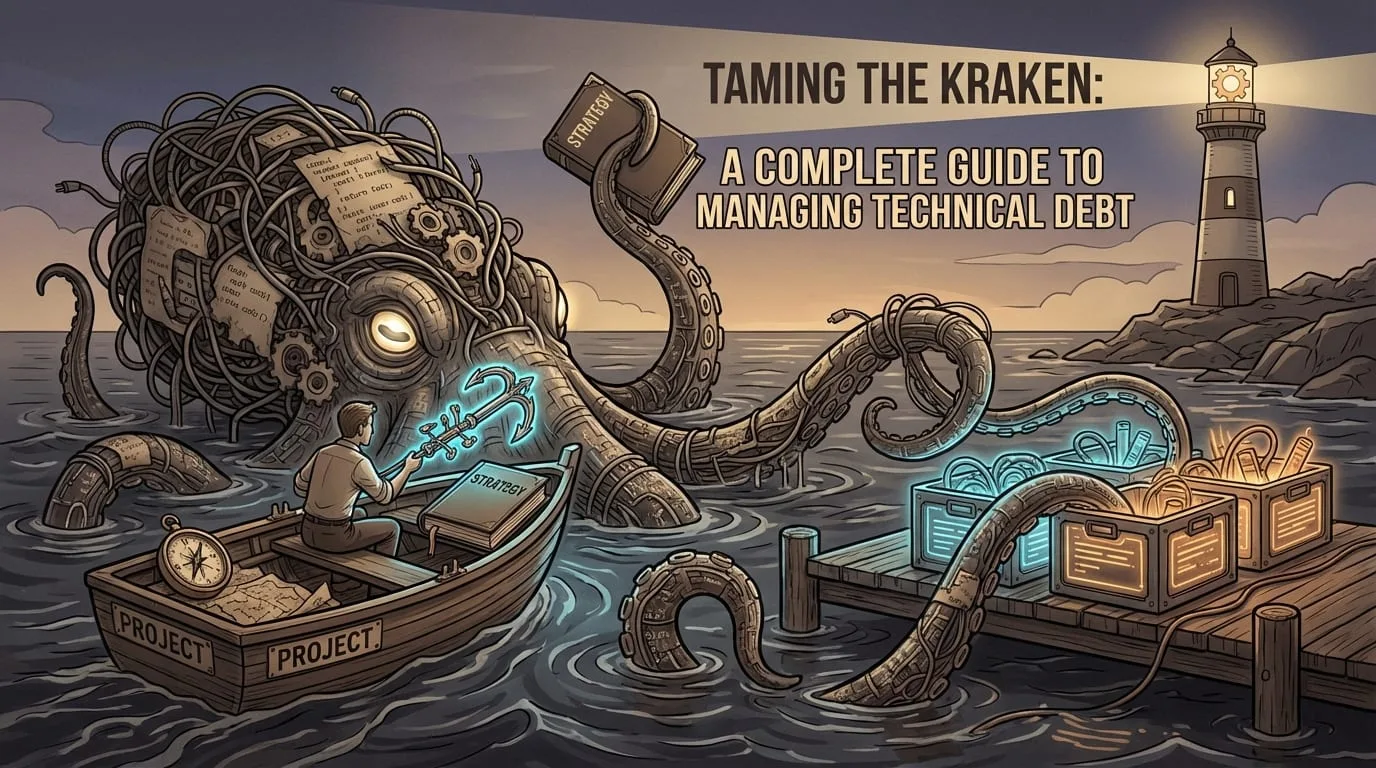
Technical debt, a term famously coined by Ward Cunningham, functions like financial debt: incurred to achieve short-term gains, but carrying interest that must eventually be paid. Left unmanaged, it leads to slower development, increased bugs, declining code quality, and ultimately, developer burnout.
In this comprehensive guide, we'll explore what technical debt really is, how to measure its impact, and proven strategies for managing it effectively without grinding feature development to a halt.
Understanding Technical Debt: Beyond "Bad Code"
Technical debt isn't simply poor code quality-it's the implied cost of additional rework caused by choosing an expedient solution now instead of a better approach that would take longer. Understanding the different types helps in prioritization.
Types of Technical Debt
1. Deliberate Debt (Prudent & Deliberate) "We know this isn't ideal, but we need to ship by Friday. We'll refactor next sprint."
- Consciously accepted trade-offs
- Should be documented and scheduled for repayment
- Often justified for time-to-market considerations
2. Accidental Debt (Inadvertent) "We didn't know there was a better way to do this."
- Results from knowledge gaps or evolving best practices
- Discovered during code reviews or retrospectives
- Common in teams with varying experience levels
3. Bit Rot (Environmental) "This was best practice five years ago, now it's legacy."
- Technology evolution makes existing code outdated
- Dependencies become deprecated or unsupported
- Security vulnerabilities emerge in older libraries
4. Business-Driven Debt "Requirements changed, and the architecture no longer fits."
- Pivot in business strategy misaligns existing systems
- Mergers/acquisitions create integration challenges
- Scale requirements exceed original design assumptions
The True Cost of Unmanaged Technical Debt
Before diving into solutions, let's quantify the problem:
Development Velocity Impact
| Debt Level | Feature Development Time | Bug Fix Time |
|---|---|---|
| Low (<10%) | Baseline | Baseline |
| Medium (10-25%) | +30-50% | +40-60% |
| High (>25%) | +100%+ | +150%+ |
Hidden Costs
Developer Productivity
- 23% of developer time is spent on technical debt (Stripe study)
- Context switching between legacy and modern code
- Increased cognitive load navigating complex systems
Quality & Reliability
- Higher bug density in debt-heavy areas
- Longer incident resolution times
- More frequent production issues
Talent Retention
- 42% of developers cite technical debt as a major frustration
- Difficulty attracting senior talent to legacy-heavy projects
- Knowledge concentration in "debt experts" creates bus factor risk
Opportunity Cost
- Features delayed or deprioritized
- Innovation initiatives stalled
- Competitive disadvantage accumulates
Building a Technical Debt Management Program
Step 1: Create Visibility
Establish a Debt Register Document each identified debt item with:
- Description: What is the debt?
- Origin: Why was it incurred?
- Location: Where in the codebase?
- Impact: How does it affect development?
- Estimated Effort: How long to fix?
- Risk Level: What could go wrong if ignored?
Integrate Automated Analysis
- Static Analysis Tools: SonarQube, ESLint, CodeClimate
- Complexity Metrics: Cyclomatic complexity, cognitive complexity
- Dependency Analysis: Outdated packages, security vulnerabilities
- Test Coverage: Identify under-tested critical paths
Create Dashboards Make debt visible to all stakeholders with metrics like:
- Code coverage trends
- Average file complexity
- Dependency freshness
- Security vulnerability count
Step 2: Categorize and Prioritize
Not all debt is equally important. Use a prioritization framework:
Impact-Effort Matrix
High Impact │  Quick Wins    │   Major Projects
            │  (Do First)    │   (Plan Carefully)
            ├────────────────┼───────────────────
Low Impact  │  Fill-ins      │   Don't Do
            │  (If Time)     │   (Avoid)
            └────────────────┴───────────────────
              Low Effort         High Effort
Additional Prioritization Factors
- Frequency of Change: Debt in frequently modified areas compounds faster
- Business Criticality: Core revenue paths vs. internal tools
- Security Risk: Vulnerabilities require immediate attention
- Team Friction: Areas causing the most developer frustration
Step 3: Allocate Dedicated Capacity
Technical debt won't pay itself. Establish sustainable practices:
The 20% Rule Dedicate 15-20% of each sprint to debt reduction. This can be:
- Specific debt tickets in each sprint
- "Technical improvement" story points
- Rotating "debt duty" among team members
Tactical Approaches
- "Fix it Friday": Reserve time each week for small improvements
- Boy Scout Rule: "Leave the campground cleaner than you found it" - improve any code you touch
- Debt Sprints: Periodically dedicate entire sprints to major refactoring
- Feature Bundling: Include debt paydown when building new features in related areas
Step 4: Integrate with Development Workflow
Definition of Done Updates Include debt considerations:
- No new critical/high severity issues introduced
- Test coverage maintained or improved
- No new deprecated dependency usage
- Documentation updated for changed areas
Code Review Guidelines
- Flag new debt introduction
- Require justification for expedient choices
- Track debt-related discussions
Architecture Decision Records (ADRs) Document significant decisions including:
- Context and constraints
- Options considered
- Decision and rationale
- Accepted trade-offs (acknowledged debt)
Practical Refactoring Strategies
Safe Refactoring Patterns
1. Strangler Fig Pattern Gradually replace legacy components by:
- Building new implementation alongside old
- Routing traffic incrementally to new system
- Decommissioning old code once migration complete
2. Branch by Abstraction
- Create abstraction layer over existing implementation
- Build new implementation behind abstraction
- Switch to new implementation
- Remove old implementation and abstraction
3. Feature Flags for Refactoring
- Deploy refactored code behind flags
- Enable for internal users first
- Gradually roll out to production
- Quick rollback if issues emerge
Testing Strategies for Legacy Code
Characterization Tests When documentation is lacking:
- Write tests that capture current behavior
- Use these as safety net for changes
- Don't fix "bugs" until behavior is understood
Golden Master Testing
- Capture output of current system
- Compare future outputs against this baseline
- Useful for complex transformations or calculations
Communicating Debt to Stakeholders
Technical debt discussions often fail because of communication gaps. Here's how to bridge them:
Translate to Business Language
| Technical Term | Business Translation |
|---|---|
| "Refactoring needed" | "Maintenance to prevent outages" |
| "Legacy system" | "Aging infrastructure increasing risk" |
| "Code complexity" | "Harder to add features, slower delivery" |
| "Test coverage gaps" | "Higher risk of customer-facing bugs" |
Use Analogies
The House Analogy "Technical debt is like deferred home maintenance. Skip painting for a year, no big deal. Skip it for ten years, and you're replacing rotten siding. We're at year seven."
The Interest Analogy "Every sprint we don't address this, we 'pay interest' in extra debugging time. Last sprint, we spent 3 days on what should have been a 4-hour fix."
Present Data, Not Opinions
- Cycle time trends for debt-heavy vs. clean areas
- Bug density comparisons
- Developer satisfaction survey results
- Incident response time correlations
Measuring Success
Track these metrics over time:
Leading Indicators
- Debt backlog size and age
- Code complexity trends
- Dependency freshness
- Security vulnerability count
Lagging Indicators
- Sprint velocity trends
- Bug escape rate
- Time to deliver new features
- Developer satisfaction scores
- Production incident frequency
Common Anti-Patterns to Avoid
- "We'll Fix It Later" Without a Plan: Debt without documentation is debt forgotten
- Big Bang Rewrites: High risk, often fail. Prefer incremental improvement
- Blaming Developers: Debt is usually a systemic/process issue, not individual failure
- Zero Tolerance: Some debt is acceptable. The goal is management, not elimination
- Ignoring Developer Input: Those closest to the code know where debt hurts most
Building a Debt-Aware Culture
Sustainable debt management requires cultural change:
Normalize the Conversation
- Include debt updates in sprint reviews
- Celebrate debt paydown achievements
- Make debt visible in planning discussions
Empower Teams
- Trust developers to identify and prioritize debt
- Provide time and resources for improvement
- Remove barriers to refactoring
Lead by Example
- Engineering leadership should champion debt initiatives
- Include debt metrics in engineering OKRs
- Share debt reduction success stories
Key Takeaways
- Technical debt is inevitable-the goal is management, not elimination
- Visibility is foundational-you can't manage what you can't see
- Prioritize ruthlessly-focus on high-impact, high-frequency areas
- Allocate consistent capacity-20% is a good starting point
- Integrate with workflow-make debt consideration part of daily practice
- Communicate in business terms-bridge the technical-business gap
- Track and celebrate progress-reinforce positive behaviors
Technical debt management isn't a one-time project-it's an ongoing discipline that separates sustainable engineering organizations from those drowning in accumulated complexity.
Need help assessing and managing technical debt in your organization? Contact EGI Consulting for a comprehensive code health assessment and remediation roadmap.
Keep reading
All articles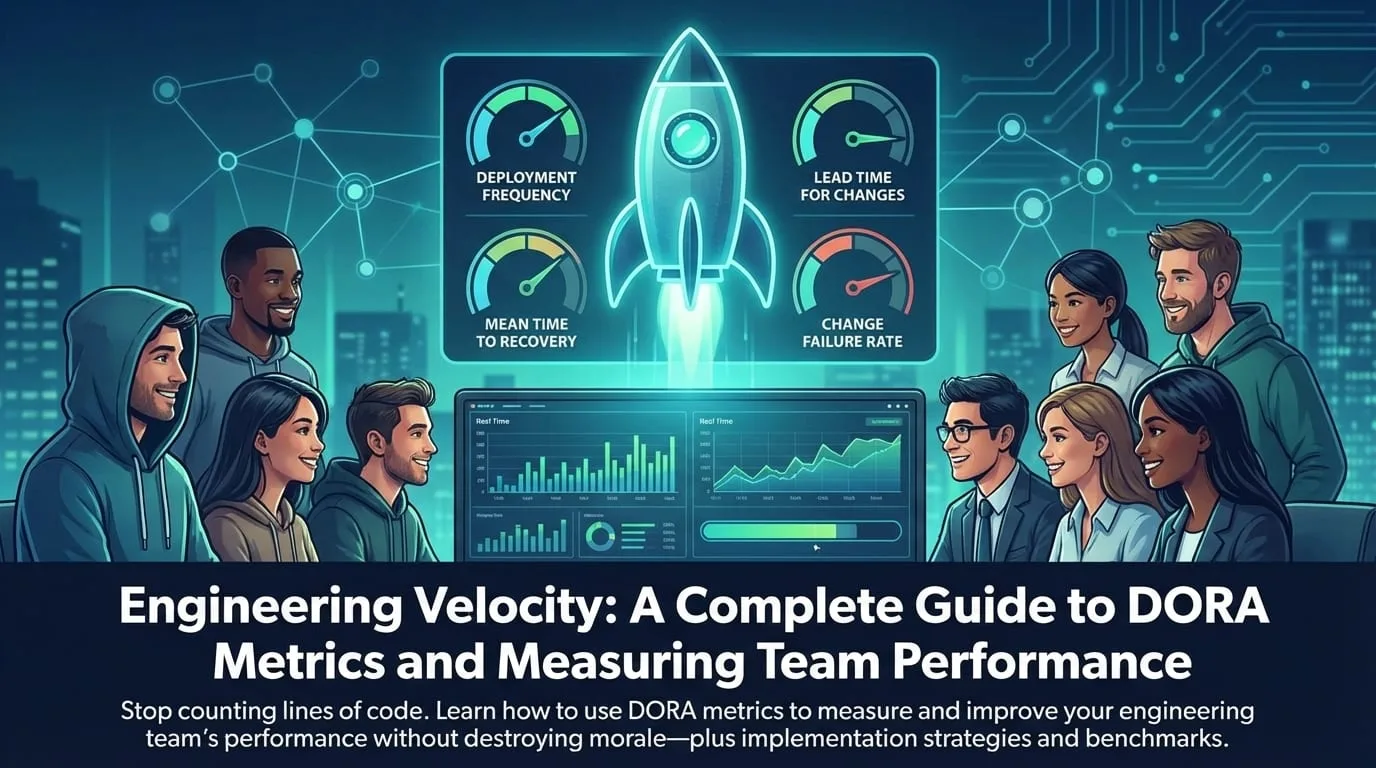
Engineering Velocity: A Complete Guide to DORA Metrics and Measuring Team Performance

What to Automate, What to Skip: A Testing Strategy for Fast-Moving Teams
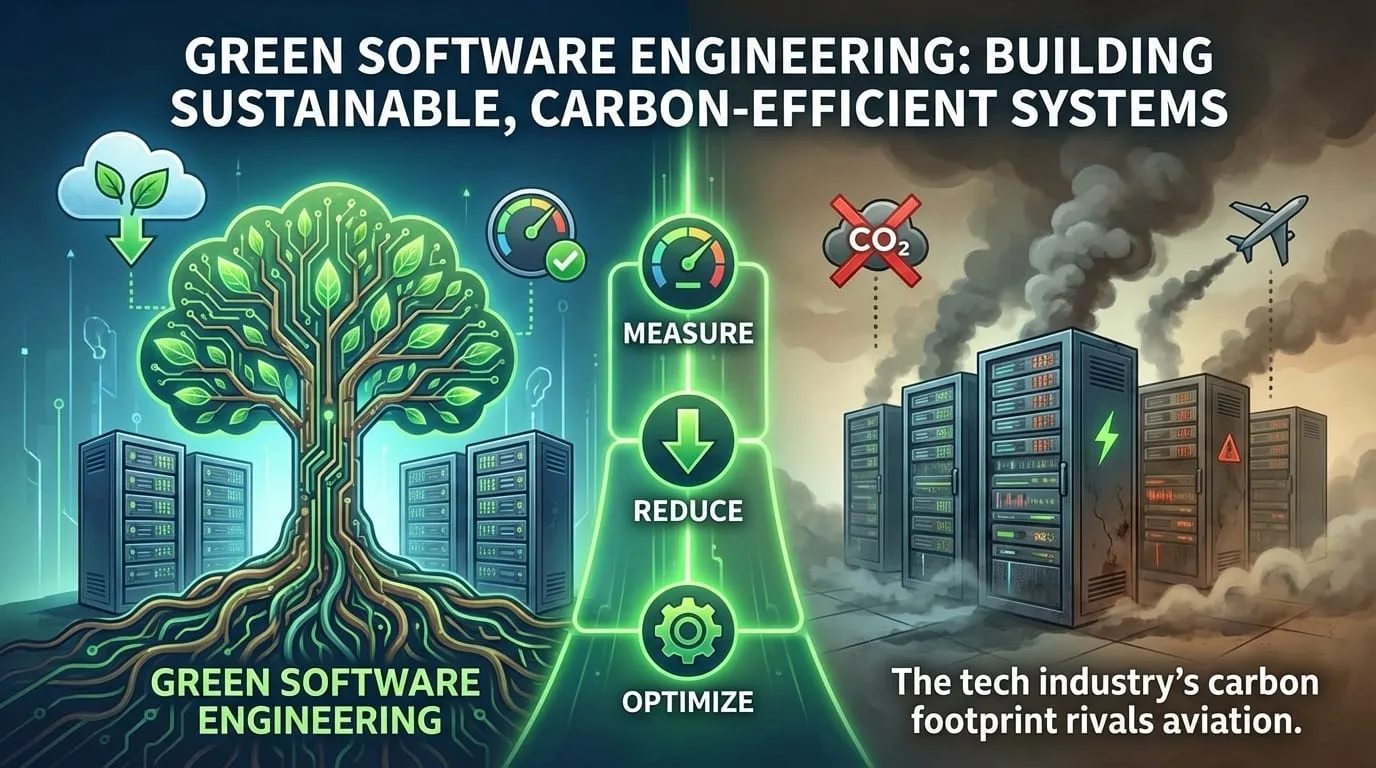
Green Software Engineering: Building Sustainable, Carbon-Efficient Systems
Get new articles by email.
One or two a month. No marketing, no forwarding your address. Unsubscribe anytime.