From Project to Product: A Complete Guide to Transforming Digital Delivery for the Modern Enterprise
Why are so many digital initiatives over budget and late? The problem might be your funding model. Learn how moving from 'Project Mode' to 'Product Mode' fundamentally changes how organizations deliver software.
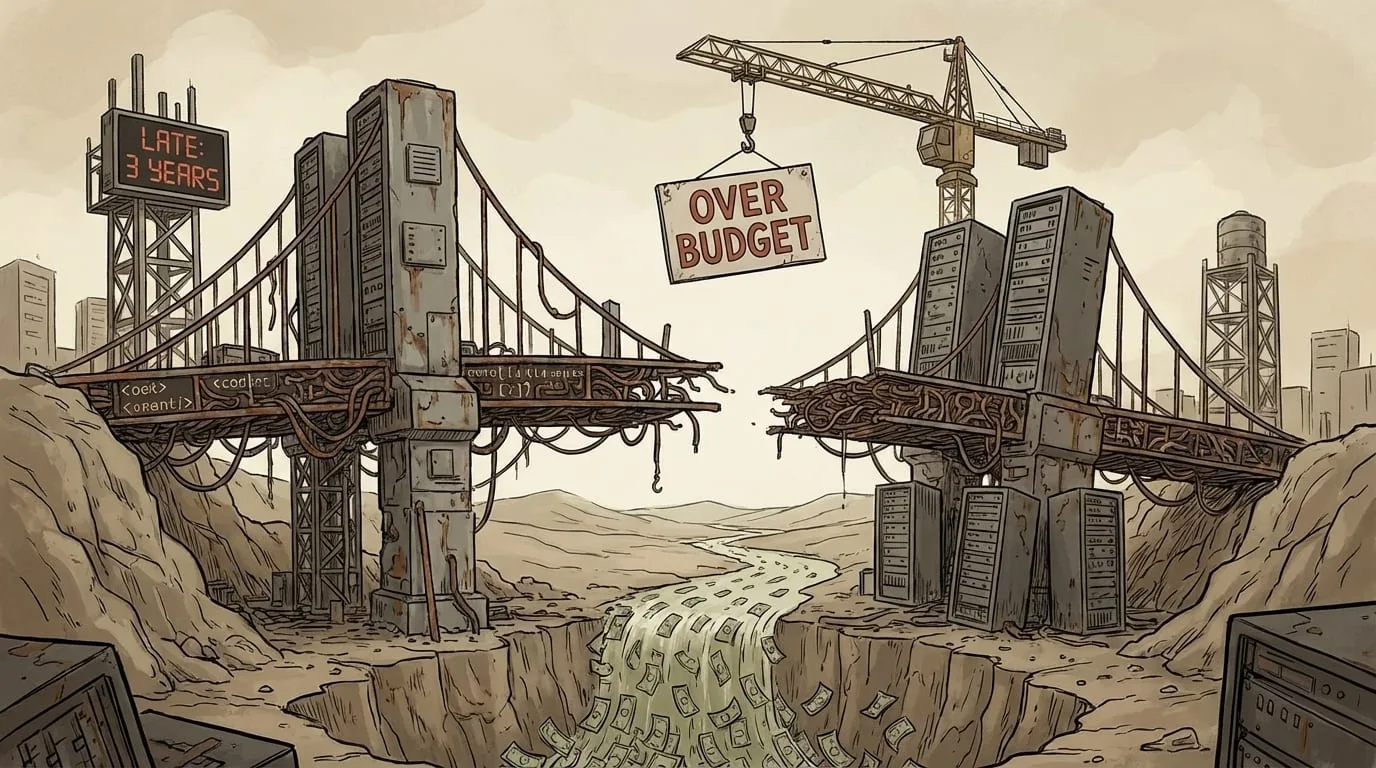
The traditional IT operating model is fundamentally broken for modern software development. Despite decades of "agile transformations," most enterprises still fund, staff, and manage technology work using project-based approaches that were designed for building bridges, not digital products.
The result? 70% of digital transformations fail. Software that's obsolete before it launches. Teams that disband before they understand the domain. And a constant cycle of handoffs, context switching, and blame.
There's a better way: the Product Operating Model.
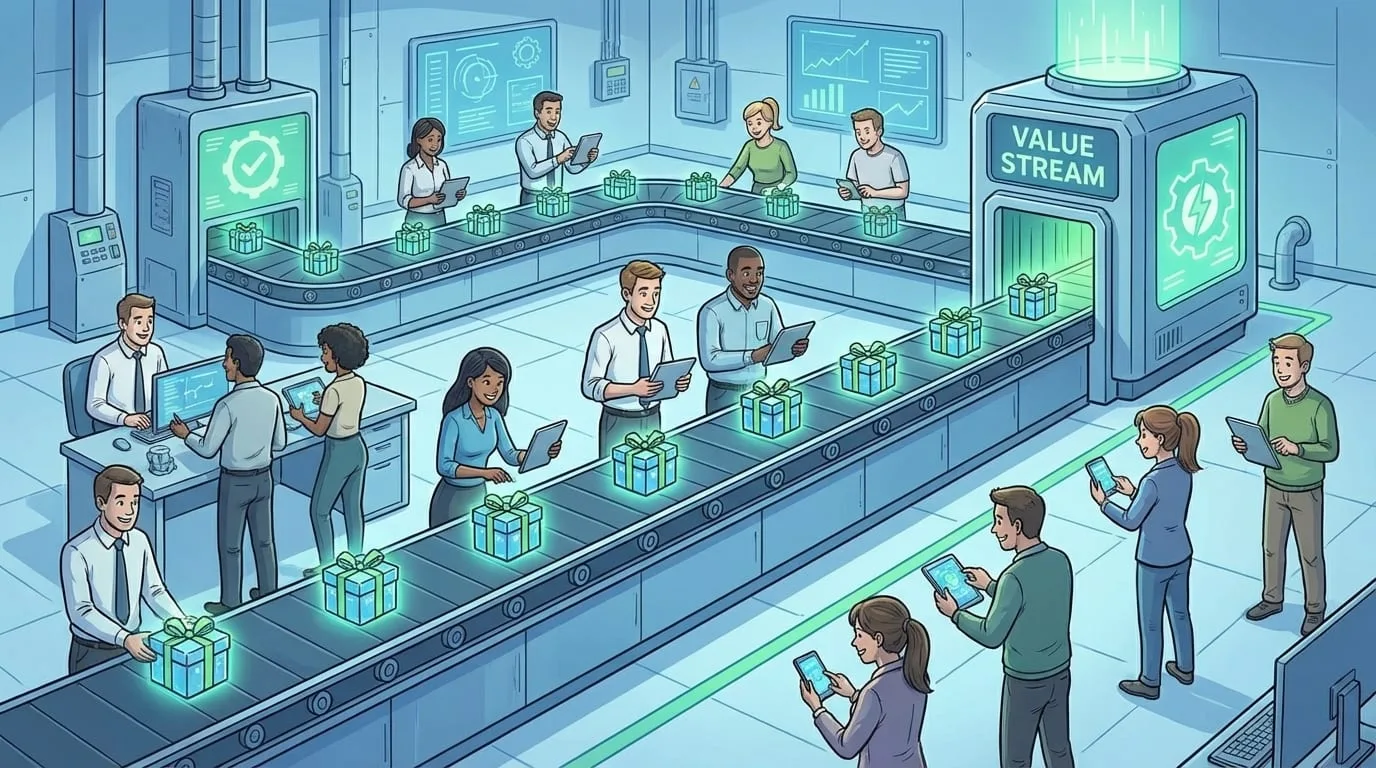
The Project Model Problem
Traditional IT operates in Project Mode:
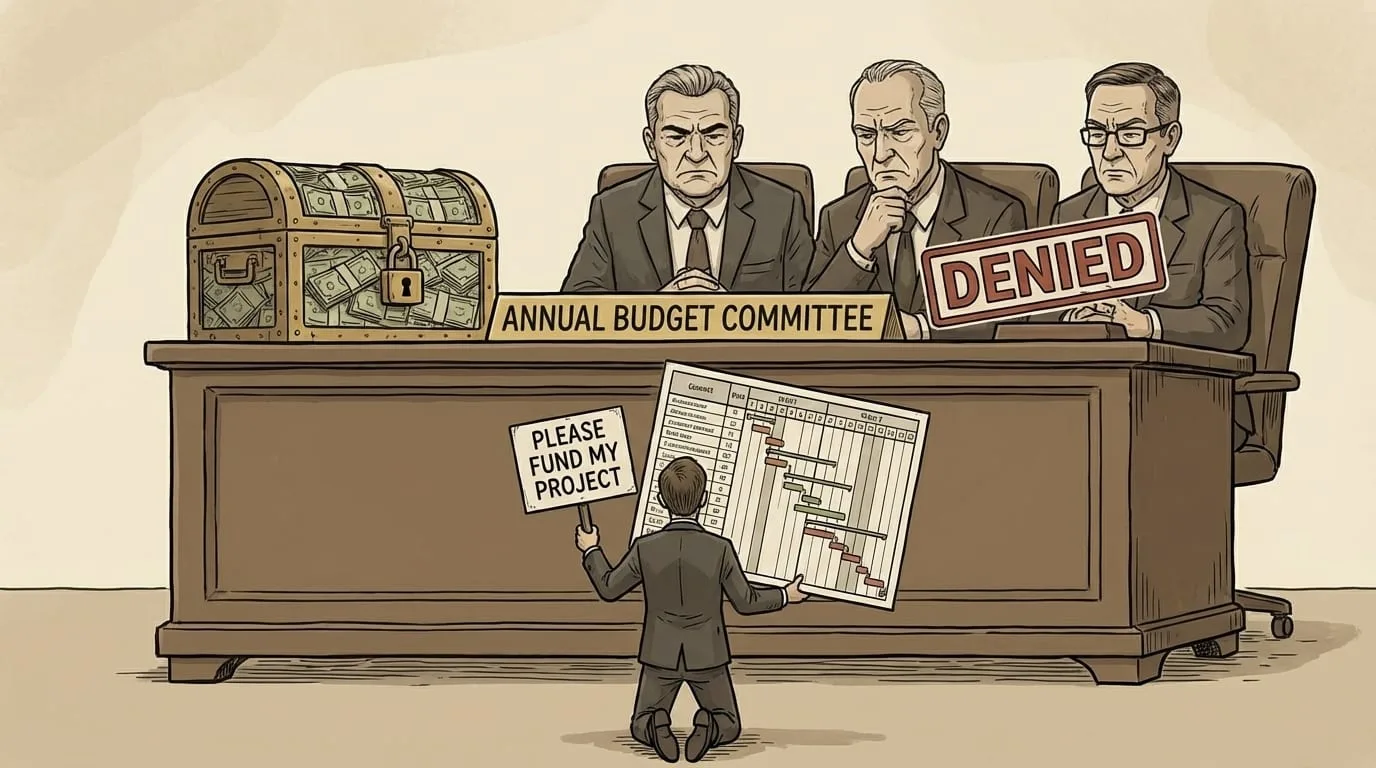
The Project Lifecycle (Traditional IT)

1. Scope Defined ────────────────────────────────────────►
   │
   │  Business writes requirements document
   │  IT estimates cost and timeline
   │
2. Budget Approved ──────────────────────────────────────►
   │
   │  Finance allocates capital expenditure
   │  Fixed scope, fixed budget, fixed timeline
   │
3. Team Assembled ───────────────────────────────────────►
   │
   │  Resources pulled from various pools
   │  Contractors brought in for skills gaps
   │  "Ramp up" period (2-4 weeks)
   │
4. Software Built ───────────────────────────────────────►
   │
   │  Development sprints (if "agile")
   │  Testing phases
   │  UAT with business stakeholders
   │
5. Project Closes ───────────────────────────────────────►
   │
   │  Team celebrates "go live"
   │  Team members return to resource pool
   │  Knowledge walks out the door
   │
6. Maintenance Mode ─────────────────────────────────────►
   │
   │  Different team "maintains" the system
   │  Minimal investment
   │  Technical debt accumulates
   │  System slowly becomes "legacy"
   │
                         TIME ───────────────────────────►
Why This Model Fails
| Project Model Problem | Business Impact |
|---|---|
| Team Churn | Each new project means new team = lost context, repeated mistakes |
| Fixed Scope Thinking | Requirements frozen early; can't adapt to learning |
| Handoff Culture | "Throw it over the wall" to operations, support |
| Short-term Incentives | Optimize for project end date, not long-term value |
| Capital Budgeting | Annual planning cycle can't keep pace with market |
| Feature Factory | Success = features shipped, not outcomes achieved |
| No Ownership | Nobody is responsible for the product long-term |
The Hidden Costs
Cost of Project Model Dysfunction

┌─────────────────────────────────────────────────────────────┐
│                                                              │
│  Context Switching (25%)                                     │
│  ───────────────────────                                     │
│  • Developers on 2-3 projects simultaneously                │
│  • Constant interruptions and meetings                      │
│  • Mental overhead of multiple codebases                    │
│                                                              │
│  Ramp-Up/Ramp-Down (20%)                                    │
│  ────────────────────────                                    │
│  • 2-4 weeks to become productive on new project            │
│  • 2 weeks of reduced productivity at project end           │
│  • Knowledge transfer overhead                               │
│                                                              │
│  Coordination Overhead (15%)                                 │
│  ───────────────────────────                                 │
│  • Cross-team dependencies                                   │
│  • Resource contention                                       │
│  • Governance and status reporting                          │
│                                                              │
│  Technical Debt (40% over time)                             │
│  ──────────────────────────────                              │
│  • "Not my problem" attitude                                │
│  • Shortcuts to hit project deadline                        │
│  • No incentive for maintainability                         │
│                                                              │
└─────────────────────────────────────────────────────────────┘
The Product Operating Model
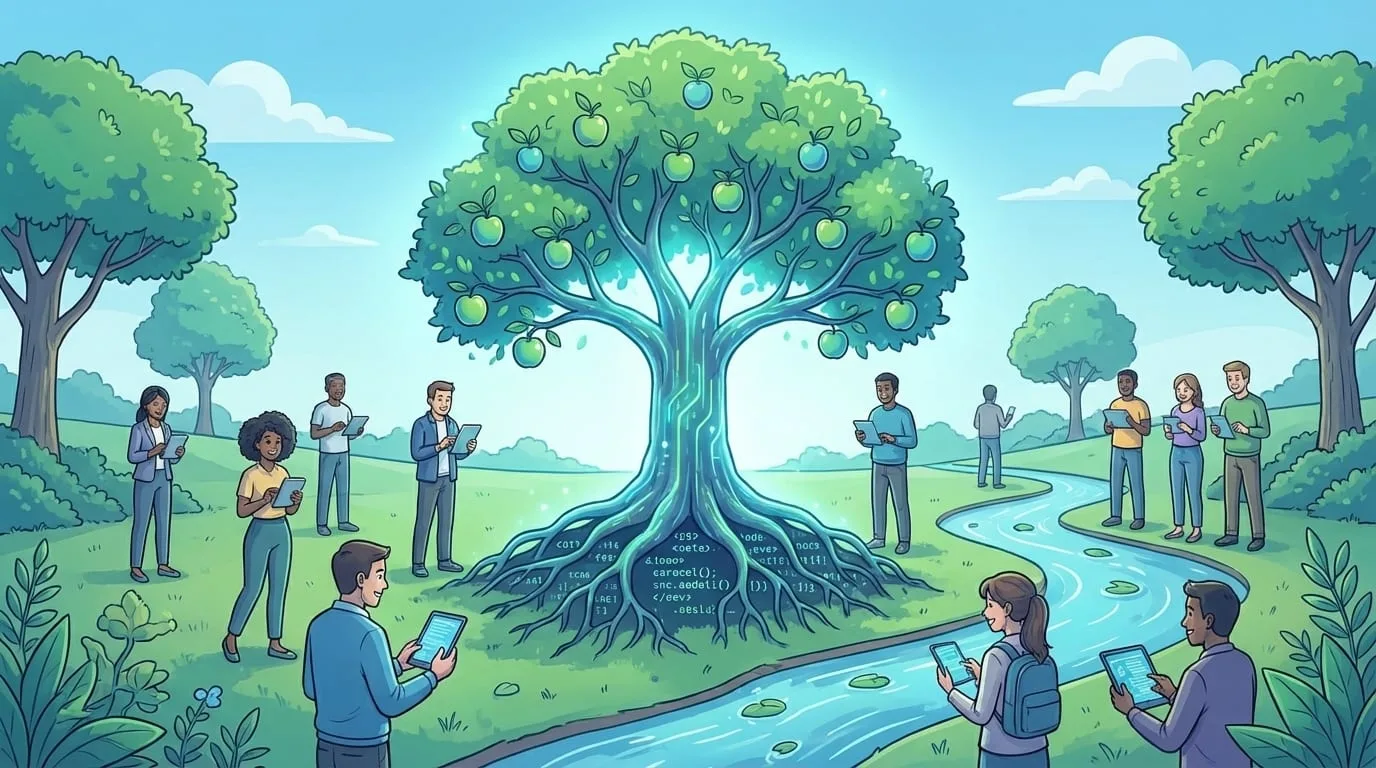
In Product Mode, software is treated as a long-lived asset, not a one-time project:
Product Model: Continuous Value Delivery

┌─────────────────────────────────────────────────────────────┐
│                                                              │
│  LONG-LIVED PRODUCT TEAM                                     │
│  ─────────────────────────────────────────────────           │
│                                                              │
│  ┌───────────────────────────────────────────────────────┐  │
│  │  Product Manager │ Tech Lead │ Developers │ Designer   │  │
│  │        ▲              ▲            ▲           ▲       │  │
│  │        │              │            │           │       │  │
│  │    Outcomes       Architecture   Build &    User       │  │
│  │    & Strategy     & Quality     Operate    Experience  │  │
│  └───────────────────────────────────────────────────────┘  │
│                           │                                  │
│                           │  Continuous Discovery            │
│                           │  & Delivery                      │
│                           ▼                                  │
│  ┌───────────────────────────────────────────────────────┐  │
│  │                                                         │  │
│  │   Q1: Feature A ──► Q2: Optimization ──► Q3: Feature B │  │
│  │         ▲                   ▲                    ▲      │  │
│  │         │                   │                    │      │  │
│  │      Learn              Measure              Iterate    │  │
│  │                                                         │  │
│  └───────────────────────────────────────────────────────┘  │
│                                                              │
│  SAME TEAM, ACCUMULATING EXPERTISE                          │
│  ─────────────────────────────────────────────────           │
│                                                              │
└─────────────────────────────────────────────────────────────┘
                         TIME ───────────────────────────►
Core Principles of Product Mode
1. Long-Lived Teams
Bring the work to the team, not the team to the work.
| Project Approach | Product Approach |
|---|---|
| Team assembled for each initiative | Team exists continuously |
| 3-6 month team lifespan | 3+ year team lifespan |
| Skills-based resource allocation | Domain-based team ownership |
| Team dissolved at project end | Team evolves with product |
Benefits of stable teams:
- Deep domain expertise accumulates
- Relationships and trust build over time
- No ramp-up overhead
- Institutional knowledge stays
- Quality improves continuously
2. Outcome-Based Funding
Instead of funding a "list of features," fund a business outcome:
Project Funding                    Product Funding
─────────────────                  ────────────────

"Build a new mobile app            "Increase mobile conversion
 with these 47 features            rate from 2% to 5%
 by Q3, budget $2M"
                                   Team: 8 people
                                   Quarterly budget: $500K
                                   Success metric: Conversion rate"

│                                  │
▼                                  ▼

Team optimizes for:                Team optimizes for:
• Checking feature boxes           • Finding what actually works
• Meeting deadline                 • Experimentation
• Staying in scope                 • Pivoting based on data
                                   • Long-term sustainability
3. You Build It, You Run It
The team that builds the software supports it in production:
Traditional Model (Handoff)

Build Team ───► QA ───► Ops ───► Support ───► Customers
    │              │        │         │
    └── Blame ─────┴────────┴─────────┘

Product Model (Full Ownership)

┌─────────────────────────────────────────────────────┐
│                                                      │
│  Product Team                                        │
│  ────────────                                        │
│  • Builds features                                   │
│  • Deploys to production                            │
│  • Monitors performance                             │
│  • Responds to incidents                            │
│  • Fixes bugs                                       │
│  • Talks to customers                               │
│                                                      │
│  "If we write bad code, WE get paged at 3 AM"       │
│                                                      │
└─────────────────────────────────────────────────────┘
Impact of full ownership:
- Developers write better code (they'll maintain it)
- Faster incident resolution (team knows the system)
- Direct customer feedback loop
- No "throw it over the wall" mentality
4. Product Managers, Not Project Managers
| Project Manager | Product Manager |
|---|---|
| Manages timeline and budget | Manages value and outcomes |
| Focuses on delivery | Focuses on discovery and delivery |
| Reports on progress | Reports on impact |
| Success = on time, on budget | Success = business outcomes |
| Tracks Gantt charts | Tracks metrics and experiments |
| Manages dependencies | Reduces dependencies |
The Transformation Journey
Phase 1: Foundation (Months 1-3)
Pilot with one product team:
Pilot Team Setup

1. Choose a Product
   ─────────────────
   • Clear business value
   • Existing codebase (not greenfield)
   • Supportive stakeholders
   • Measurable outcomes

2. Form the Team
   ───────────────
   • Product Manager (full-time)
   • Tech Lead
   • 3-5 Developers
   • UX Designer (can be shared)
   • QA Engineer (embedded)

3. Define Outcomes
   ─────────────────
   • OKRs or similar framework
   • Leading and lagging indicators
   • Clear success criteria
   • Regular review cadence

4. Give Them Autonomy
   ───────────────────
   • Decide HOW to achieve outcomes
   • Own their backlog
   • Control their ceremonies
   • Make technical decisions
Phase 2: Expand (Months 4-9)
Scale to additional product teams:
Product Portfolio Structure

┌─────────────────────────────────────────────────────────────┐
│                                                              │
│  Customer-Facing Products                                    │
│  ─────────────────────────                                   │
│  ┌───────────┐  ┌───────────┐  ┌───────────┐               │
│  │ Mobile    │  │ Web App   │  │ Partner   │               │
│  │ App Team  │  │ Team      │  │ Portal    │               │
│  └───────────┘  └───────────┘  └───────────┘               │
│                                                              │
│  Platform Products                                           │
│  ─────────────────                                           │
│  ┌───────────┐  ┌───────────┐  ┌───────────┐               │
│  │ API       │  │ Data      │  │ Identity  │               │
│  │ Platform  │  │ Platform  │  │ Platform  │               │
│  └───────────┘  └───────────┘  └───────────┘               │
│                                                              │
│  Enabling Teams                                              │
│  ───────────────                                             │
│  ┌───────────┐  ┌───────────┐                               │
│  │ DevOps/   │  │ Developer │                               │
│  │ Platform  │  │ Experience│                               │
│  └───────────┘  └───────────┘                               │
│                                                              │
└─────────────────────────────────────────────────────────────┘
Phase 3: Transform (Months 10-18)
Change funding and governance models:
| Traditional | Transformed |
|---|---|
| Annual capital budgeting | Quarterly capacity allocation |
| Project-by-project approval | Portfolio-level investment |
| Fixed scope commitments | Outcome-based roadmaps |
| PMO governance | Product Operations (ProdOps) |
| Utilization metrics | Value delivery metrics |
Changing How We Fund Technology
From CapEx to OpEx Mindset
Traditional Funding (CapEx)               Product Funding (OpEx)
─────────────────────────                 ─────────────────────────

Annual Planning:                          Continuous Funding:

Q4: Submit project proposals              Quarterly: Review outcomes
    ↓                                               ↓
Q1: Finance reviews, approves             Allocate capacity based on:
    ↓                                     • Results achieved
Projects get fixed budget                 • Strategic importance
    ↓                                     • Market opportunities
Year: Execute against plan                        ↓
    ↓                                     Teams funded continuously
Repeat...                                         ↓
                                          Pivot as needed

Problems:                                 Benefits:
• 12-18 month lag to respond              • Respond in weeks
• Gaming the system                       • Honest conversations
• Sunk cost fallacy                       • Kill what's not working
• Inflexible                              • Invest in what is
Capacity-Based Budgeting
Portfolio Investment Model

┌─────────────────────────────────────────────────────────────┐
│                                                              │
│  Total Technology Budget: $20M / Quarter                     │
│                                                              │
│  ┌───────────────────────────────────────────────────────┐  │
│  │  Baseline (Keep the Lights On)              40%        │  │
│  │  • Security & compliance                              │  │
│  │  • Infrastructure maintenance                         │  │
│  │  • Critical bug fixes                                 │  │
│  └───────────────────────────────────────────────────────┘  │
│                                                              │
│  ┌───────────────────────────────────────────────────────┐  │
│  │  Strategic Investment (Grow)                40%        │  │
│  │  • New capabilities                                   │  │
│  │  • Market expansion                                   │  │
│  │  • Customer experience improvements                   │  │
│  └───────────────────────────────────────────────────────┘  │
│                                                              │
│  ┌───────────────────────────────────────────────────────┐  │
│  │  Innovation (Transform)                     20%        │  │
│  │  • R&D and experimentation                            │  │
│  │  • New technology evaluation                          │  │
│  │  • Moonshots                                          │  │
│  └───────────────────────────────────────────────────────┘  │
│                                                              │
└─────────────────────────────────────────────────────────────┘
Measuring Success in Product Mode
Replace Project Metrics
| Stop Measuring | Start Measuring |
|---|---|
| % complete | Outcomes achieved |
| Features delivered | Customer satisfaction (NPS, CSAT) |
| On time / on budget | Time to value |
| Resource utilization | Team satisfaction |
| Story points | Lead time, deployment frequency |
| Milestones hit | Business metrics (revenue, conversion, retention) |
Product Health Metrics
Product Scorecard

┌─────────────────────────────────────────────────────────────┐
│                                                              │
│  Product: Customer Portal                                    │
│  Team: Portal Squad                                          │
│  Period: Q2 2024                                             │
│                                                              │
│  ━━━━━━━━━━━━━━━━━━━━━━━━━━━━━━━━━━━━━━━━━━━━━━━━━━━━━━━━━  │
│                                                              │
│  OUTCOME METRICS                                             │
│  ───────────────                                             │
│  Customer Satisfaction    ████████████████████░░  85% (+5)   │
│  Self-Service Rate        ██████████████████░░░░  72% (+12)  │
│  Support Ticket Volume    ████████░░░░░░░░░░░░░░  -35%       │
│                                                              │
│  DELIVERY METRICS                                            │
│  ────────────────                                            │
│  Deployment Frequency     Daily                   ✓ Elite    │
│  Lead Time               2.3 hours                ✓ Elite    │
│  Change Failure Rate     4.2%                     ✓ Elite    │
│  MTTR                    18 minutes               ✓ Elite    │
│                                                              │
│  TEAM HEALTH                                                 │
│  ───────────                                                 │
│  Team Satisfaction       ████████████████████░░░  82%        │
│  Sustainable Pace        ████████████████░░░░░░░  65%  ⚠️    │
│                                                              │
│  TECHNICAL HEALTH                                            │
│  ────────────────                                            │
│  Test Coverage           ████████████████████░░░  82%        │
│  Security Score          █████████████████████░  92%         │
│  Tech Debt Trend         Decreasing              ✓           │
│                                                              │
└─────────────────────────────────────────────────────────────┘
Common Transformation Challenges
Challenge 1: "But How Do We Plan?"
Fear: "If we don't have fixed scope, how do we know what we're getting?"
Reality: You never knew what you were getting-just what was promised.
Solution: Outcome roadmaps with confidence horizons:
Product Roadmap: Confidence Horizons

Now ─────────────────────────────────────────────────────► Future

┌────────────────┬──────────────────┬────────────────────────┐
│   Committed    │     Likely       │      Possible          │
│   (This Q)     │    (Next Q)      │    (Future)            │
│                │                  │                        │
│   HIGH         │   MEDIUM         │   LOW                  │
│   Confidence   │   Confidence     │   Confidence           │
│                │                  │                        │
│   • Feature A  │   • Feature C    │   • AI Integration     │
│   • Bug fixes  │   • Platform     │   • Mobile expansion   │
│   • Migration  │     upgrade      │   • New market entry   │
│                │                  │                        │
└────────────────┴──────────────────┴────────────────────────┘
Challenge 2: HR and Career Paths
Problem: "Our career ladders are based on project management."
Solution: Create product-oriented roles:
| Old Title | New Title | Focus |
|---|---|---|
| Project Manager | Product Manager | Value & outcomes |
| Business Analyst | Product Owner | Backlog & priorities |
| Resource Manager | Engineering Manager | People & capability |
| PMO Lead | Product Operations | Portfolio & governance |
Challenge 3: Finance Resistance
Concern: "We need project codes for capitalization."
Reality: Most modern accounting frameworks support product-based capitalization. Work with finance to:
- Map products to cost centers
- Track capitalize-able work within products
- Maintain audit trails
Key Takeaways
- Projects are finite; products are continuous: Software is a living asset that needs ongoing investment
- Stable teams outperform: Keeping teams together builds expertise and quality
- Fund outcomes, not features: Let teams discover the best way to achieve goals
- You build it, you run it: Full ownership creates accountability and quality
- Replace vanity metrics: Measure outcomes, not output
- Transform incrementally: Start with one product team, prove value, expand
- Organizational change is hard: Budget 60% of effort for people and process, 40% for technology
Transitioning to Product Mode is difficult-it challenges traditional budgeting, HR structures, and deeply ingrained habits. But it is the hallmark of every high-performing digital organization today. The companies that master product thinking will outpace those stuck in project mode.
Ready to transform your technology operating model? Contact EGI Consulting for guidance on adopting product thinking, restructuring teams, and aligning funding models with modern software delivery.
Keep reading
All articles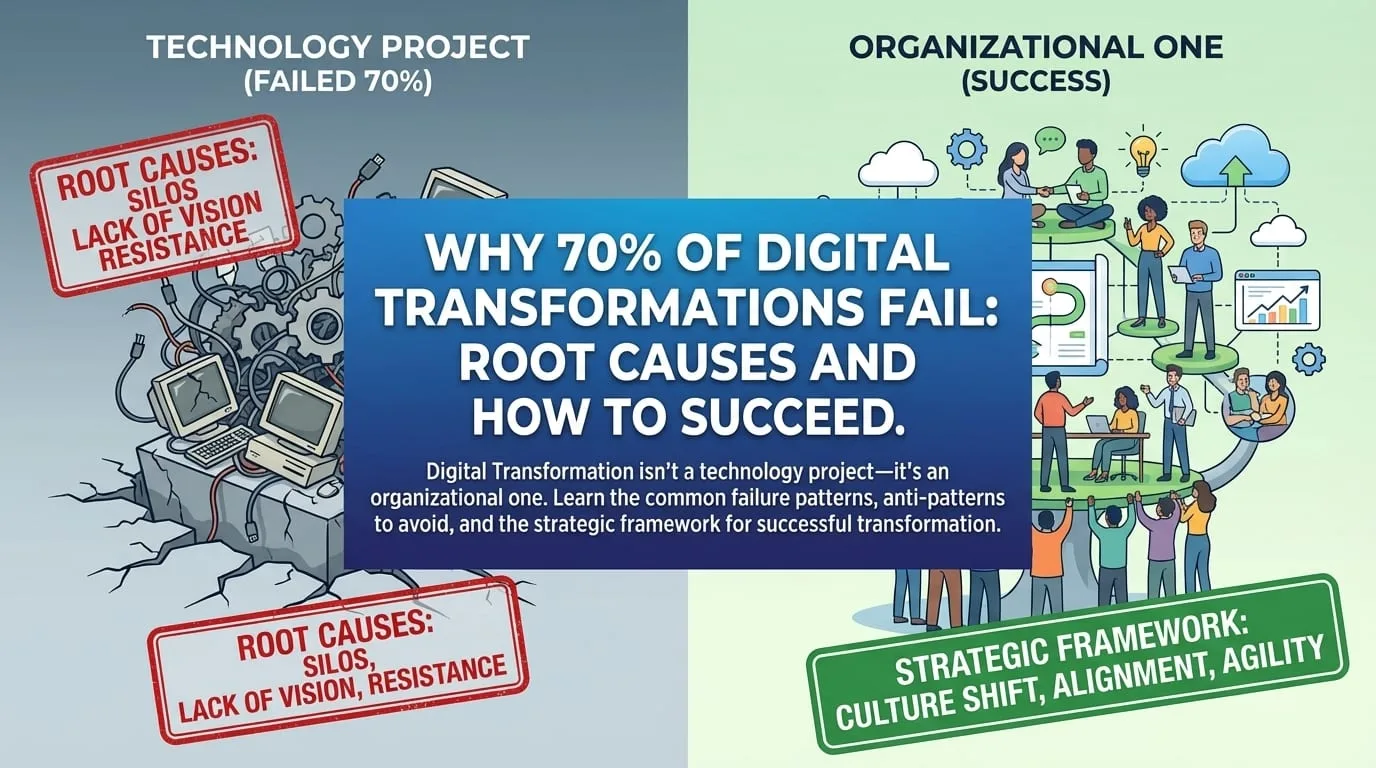
Why 70% of Digital Transformations Fail: Root Causes and How to Succeed
MVP vs Prototype vs Proof of Concept: How to Choose the Right Validation Approach
Taming the Kraken: A Complete Guide to Managing Technical Debt in Software Projects
Get new articles by email.
One or two a month. No marketing, no forwarding your address. Unsubscribe anytime.