Platform Engineering: The Complete Guide to Building Internal Developer Platforms
Learn how to build Internal Developer Platforms (IDPs) that boost engineering productivity by 30%+. Includes IDP architecture, golden paths, and implementation playbook.
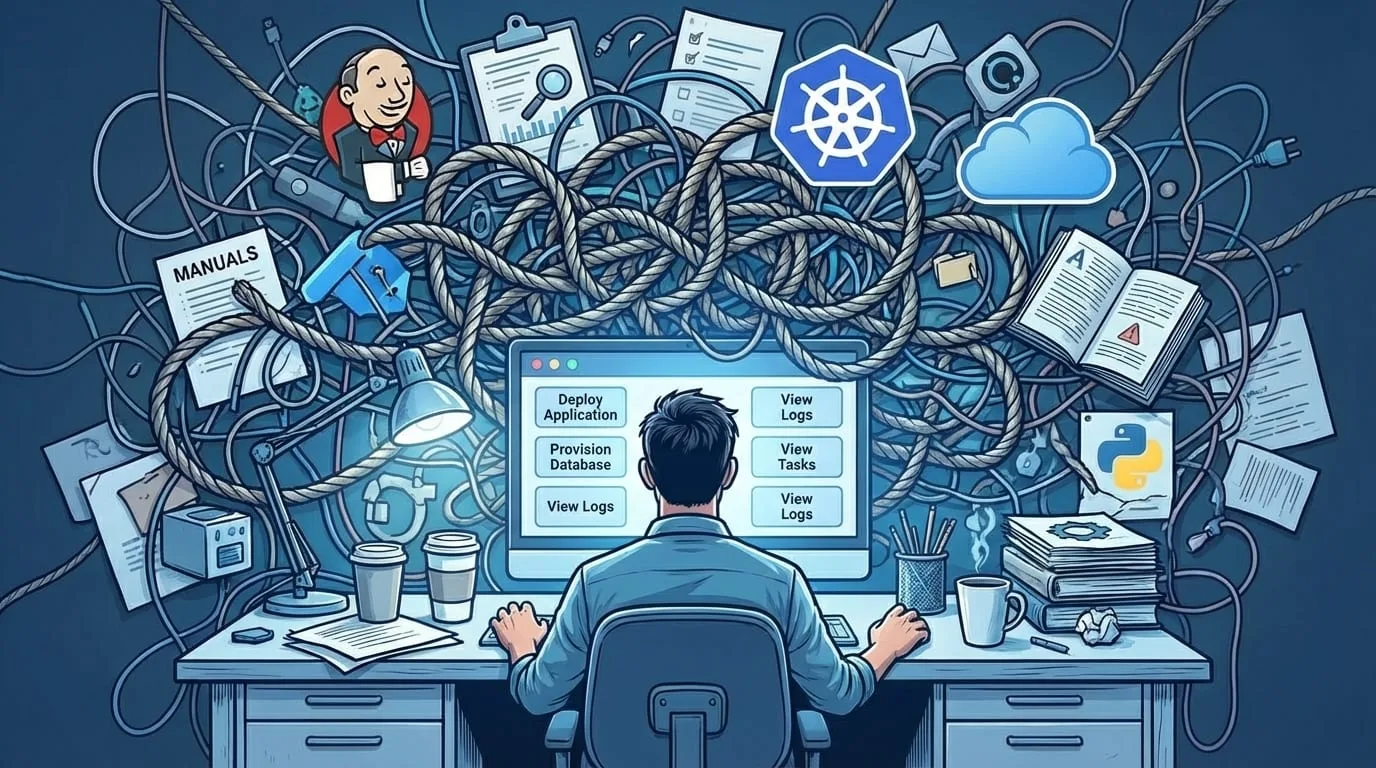
As organizations scale their engineering teams and adopt complex cloud-native architectures, developers often find themselves drowning in operational overhead. Deploying a new service can involve configuring Kubernetes YAML, setting up CI/CD pipelines, provisioning databases, and configuring monitoring-a multi-day endeavor.
According to a 2023 Puppet State of DevOps report, developers spend 30-40% of their time on operational tasks instead of writing code. That's an expensive productivity tax.
Platform Engineering addresses this by creating a paved road for developers.

The Rise of Platform Engineering
Evolution of Developer Productivity
──────────────────────────────────────────────────────────────────

Era 1: Ops Does Everything (2000s)
─────────────────────────────────
Developers: "I need a server"
Ops: "Submit a ticket, 2-week SLA"
Result: Slow, but developers focused on code

Era 2: DevOps / "You Build It, You Run It" (2010s)
─────────────────────────────────────────────────
Developers: "I own everything from code to production"
Reality: Developers become part-time ops engineers
Result: Faster, but cognitive overload

Era 3: Platform Engineering (2020s)
───────────────────────────────────
Platform Team: "Here's a self-service platform"
Developers: "I can deploy in minutes with golden paths"
Result: Fast AND developers focus on business logic
Why DevOps Alone Isn't Enough
| DevOps Challenge | Platform Engineering Solution |
|---|---|
| Every team reinvents the wheel | Golden paths with best practices baked in |
| Inconsistent tooling | Standardized, curated toolchain |
| Steep learning curve | Self-service with guardrails |
| Tribal knowledge | Documented, discoverable APIs |
| Security as afterthought | Security built into templates |
What is an Internal Developer Platform (IDP)?
An IDP is a self-service layer that sits on top of your existing infrastructure. It provides a curated set of tools, services, and APIs that abstract away the underlying complexity.
IDP Architecture
──────────────────────────────────────────────────────────────────

                    ┌─────────────────────────────────────────┐
                    │         Developer Portal                │
                    │      (Backstage, Port, Cortex)          │
                    │                                         │
                    │  ┌──────────┐ ┌──────────┐ ┌──────────┐│
                    │  │ Service  │ │   API    │ │  Docs    ││
                    │  │ Catalog  │ │   Docs   │ │  Search  ││
                    │  └──────────┘ └──────────┘ └──────────┘│
                    └──────────────────┬──────────────────────┘
                                       │
                    ┌──────────────────┴──────────────────────┐
                    │            Platform APIs                 │
                    │                                         │
                    │  ┌─────────┐ ┌─────────┐ ┌─────────┐   │
                    │  │ Deploy  │ │  Infra  │ │ Secrets │   │
                    │  │   API   │ │   API   │ │   API   │   │
                    │  └─────────┘ └─────────┘ └─────────┘   │
                    └──────────────────┬──────────────────────┘
                                       │
    ┌──────────────────────────────────┼──────────────────────────┐
    │                                  │                          │
    ▼                                  ▼                          ▼
┌────────────┐                  ┌────────────┐              ┌────────────┐
│   CI/CD    │                  │ Kubernetes │              │   Cloud    │
│            │                  │            │              │            │
│ • GitHub   │                  │ • ArgoCD   │              │ • AWS      │
│   Actions  │                  │ • Helm     │              │ • Terraform│
│ • Jenkins  │                  │ • Kustomize│              │ • Vault    │
└────────────┘                  └────────────┘              └────────────┘

The IDP abstracts complexity while maintaining flexibility

Key Components of an IDP
1. Service Catalog
A searchable registry of all services, APIs, and infrastructure in your organization.
# Example: Service catalog entry (Backstage format)
apiVersion: backstage.io/v1alpha1
kind: Component
metadata:
  name: payment-service
  description: Handles payment processing and billing
  annotations:
    github.com/project-slug: myorg/payment-service
    backstage.io/techdocs-ref: dir:.
  tags:
    - python
    - payments
    - critical
  links:
    - url: https://grafana.internal/d/payments
      title: Grafana Dashboard
    - url: https://runbooks.internal/payments
      title: Runbooks
spec:
  type: service
  lifecycle: production
  owner: team-payments
  system: billing-platform
  dependsOn:
    - component:user-service
    - resource:payments-db
  providesApis:
    - payments-api
  consumesApis:
    - user-api
    - notification-api
2. Golden Paths (Service Templates)
Pre-configured templates that encode best practices.
# Example: Golden path for new microservice
apiVersion: scaffolder.backstage.io/v1beta3
kind: Template
metadata:
  name: microservice-template
  title: Production-Ready Microservice
  description: |
    Creates a new microservice with:
    - FastAPI application structure
    - Dockerfile optimized for production
    - Kubernetes manifests
    - CI/CD pipeline (GitHub Actions)
    - Observability (Prometheus, Grafana, Jaeger)
    - Security scanning (Snyk, Trivy)
spec:
  owner: platform-team
  type: service

  parameters:
    - title: Service Information
      required:
        - name
        - description
        - owner
      properties:
        name:
          title: Service Name
          type: string
          pattern: "^[a-z0-9-]+$"
        description:
          title: Description
          type: string
        owner:
          title: Owner Team
          type: string
          ui:field: OwnerPicker

    - title: Technical Options
      properties:
        database:
          title: Database
          type: string
          enum:
            - none
            - postgresql
            - mongodb
          default: none
        messaging:
          title: Message Queue
          type: string
          enum:
            - none
            - kafka
            - rabbitmq
          default: none

  steps:
    - id: fetch-template
      name: Fetch Template
      action: fetch:template
      input:
        url: ./skeleton
        values:
          name: ${{ parameters.name }}
          description: ${{ parameters.description }}
          owner: ${{ parameters.owner }}
          database: ${{ parameters.database }}

    - id: create-repo
      name: Create GitHub Repository
      action: github:repo:create
      input:
        repoUrl: github.com?owner=myorg&repo=${{ parameters.name }}

    - id: register-catalog
      name: Register in Catalog
      action: catalog:register
      input:
        repoContentsUrl: ${{ steps.create-repo.output.repoContentsUrl }}
        catalogInfoPath: /catalog-info.yaml

    - id: create-argocd-app
      name: Create ArgoCD Application
      action: argocd:create-application
      input:
        name: ${{ parameters.name }}
        namespace: ${{ parameters.name }}
        repoUrl: ${{ steps.create-repo.output.remoteUrl }}

  output:
    links:
      - title: Repository
        url: ${{ steps.create-repo.output.remoteUrl }}
      - title: ArgoCD
        url: https://argocd.internal/applications/${{ parameters.name }}
3. Self-Service Portal
A web interface where developers can discover, create, and manage services.
Developer Portal Features
──────────────────────────────────────────────────────────────────

┌─────────────────────────────────────────────────────────────────┐
│  🏠 Developer Portal                      [Search...]   👤 Jane │
├─────────────────────────────────────────────────────────────────┤
│                                                                 │
│  Quick Actions                                                  │
│  ┌────────────┐ ┌────────────┐ ┌────────────┐ ┌────────────┐  │
│  │ + New      │ │ 📊 Metrics │ │ 📚 Docs    │ │ 🔧 Tools   │  │
│  │   Service  │ │            │ │            │ │            │  │
│  └────────────┘ └────────────┘ └────────────┘ └────────────┘  │
│                                                                 │
│  My Services (3)                                                │
│  ┌─────────────────────────────────────────────────────────┐   │
│  │ 🟢 payment-service    Python │ Production │ Healthy    │   │
│  │ 🟢 user-service       Go     │ Production │ Healthy    │   │
│  │ 🟡 notification-svc   Node   │ Staging    │ Deploying  │   │
│  └─────────────────────────────────────────────────────────┘   │
│                                                                 │
│  Recent Activity                                                │
│  • payment-service deployed v2.3.1 (5 min ago)                 │
│  • user-service scaled to 5 replicas (1 hour ago)              │
│  • notification-svc CI failed - fix pending                    │
│                                                                 │
└─────────────────────────────────────────────────────────────────┘
4. Platform APIs
Programmatic access to platform capabilities.
// Example: Platform SDK for developers
import { Platform } from "@myorg/platform-sdk";

const platform = new Platform();

// Create a new environment
const env = await platform.environments.create({
  name: "feature-xyz",
  type: "ephemeral",
  baseTemplate: "staging",
  ttl: "7d",
});

// Deploy a service
await platform.deployments.create({
  service: "payment-service",
  environment: env.id,
  version: "v2.3.1",
  config: {
    replicas: 2,
    resources: {
      cpu: "500m",
      memory: "512Mi",
    },
  },
});

// Provision infrastructure
await platform.infrastructure.create({
  type: "postgresql",
  name: "payments-db",
  environment: env.id,
  size: "small",
});

// Get service status
const status = await platform.services.getStatus("payment-service");
console.log(status);
// {
//   health: 'healthy',
//   replicas: { ready: 2, desired: 2 },
//   latestDeployment: { version: 'v2.3.1', status: 'complete' }
// }
Measuring Platform Success
DORA Metrics Connection
Platform engineering directly improves DORA metrics:
Impact on DORA Metrics
──────────────────────────────────────────────────────────────────

                            Before IDP    After IDP    Improvement
                            ──────────    ─────────    ───────────
Deployment Frequency        Weekly        Daily        7x ⬆
Lead Time for Changes       2 weeks       2 days       7x ⬆
Change Failure Rate         15%           5%           3x ⬇
Mean Time to Recovery       4 hours       30 min       8x ⬇


DORA Performance Level:     Low           Elite        🚀
Developer Experience Metrics
| Metric | Definition | Target |
|---|---|---|
| Time to First Deploy | New dev → first production deploy | < 1 day |
| Service Creation Time | Request → running service | < 1 hour |
| Cognitive Load Score | Survey-based measure | > 4/5 |
| Platform NPS | Would you recommend? | > 50 |
| Self-Service Rate | Requests handled without tickets | > 90% |
| Onboarding Time | New engineer productivity | < 2 weeks |
Platform Analytics
# Platform usage analytics
from dataclasses import dataclass
from datetime import datetime, timedelta
from typing import List

@dataclass
class PlatformMetrics:
    total_services: int
    active_developers: int
    deployments_today: int
    self_service_rate: float
    avg_deploy_time_minutes: float
    template_adoption_rate: float

@dataclass
class TemplateUsage:
    template_name: str
    times_used: int
    success_rate: float
    avg_time_to_production_hours: float

def calculate_platform_roi(
    metrics: PlatformMetrics,
    developer_hourly_cost: float = 100,
    developers_count: int = 100
) -> dict:
    """Calculate ROI of platform engineering investment."""

    # Time saved per deployment (industry average: 4 hours → 0.5 hours)
    hours_saved_per_deploy = 3.5
    deploys_per_dev_per_week = 2
    weekly_hours_saved = (
        hours_saved_per_deploy *
        deploys_per_dev_per_week *
        developers_count
    )

    # Time saved on new service creation (average: 2 days → 1 hour)
    new_services_per_month = 10
    hours_saved_per_new_service = 15
    monthly_service_creation_savings = (
        new_services_per_month *
        hours_saved_per_new_service
    )

    # Reduced incidents due to golden paths
    incidents_prevented_monthly = 5
    avg_incident_cost_hours = 8  # Developer hours per incident
    monthly_incident_savings = (
        incidents_prevented_monthly *
        avg_incident_cost_hours
    )

    # Total monthly savings
    monthly_hours_saved = (
        (weekly_hours_saved * 4) +
        monthly_service_creation_savings +
        monthly_incident_savings
    )

    monthly_cost_savings = monthly_hours_saved * developer_hourly_cost
    annual_savings = monthly_cost_savings * 12

    return {
        "monthly_hours_saved": monthly_hours_saved,
        "monthly_cost_savings": monthly_cost_savings,
        "annual_savings": annual_savings,
        "breakeven_platform_team_size": annual_savings / (developer_hourly_cost * 2000),
        "roi_percentage": (annual_savings / (3 * developer_hourly_cost * 2000)) * 100
    }

# Example calculation
metrics = PlatformMetrics(
    total_services=150,
    active_developers=100,
    deployments_today=45,
    self_service_rate=0.92,
    avg_deploy_time_minutes=8,
    template_adoption_rate=0.85
)

roi = calculate_platform_roi(metrics)
print(f"Annual savings: ${roi['annual_savings']:,.0f}")
print(f"ROI: {roi['roi_percentage']:.0f}%")
# Annual savings: $3,960,000
# ROI: 660%
Building Your IDP: Implementation Roadmap
Phase 1: Foundation (Months 1-3)
Phase 1 Deliverables
──────────────────────────────────────────────────────────────────

1. Service Catalog MVP
   ├── Inventory existing services
   ├── Define metadata schema
   └── Basic search and discovery

2. First Golden Path
   ├── Choose most common service type
   ├── Encode current best practices
   └── Test with 2-3 pilot teams

3. Developer Portal Setup
   ├── Deploy Backstage or equivalent
   ├── Integrate with GitHub/GitLab
   └── Basic documentation hosting

Success Criteria:
├── 50%+ of services registered in catalog
├── First golden path deployed 5+ times
└── Developer NPS baseline established
Phase 2: Self-Service (Months 4-6)
# Phase 2: Expand self-service capabilities
phase_2_goals:
  service_creation:
    - name: "Additional service templates"
      templates:
        - frontend-app
        - background-worker
        - api-gateway
    - name: "Database provisioning"
      supported:
        - postgresql
        - redis
        - mongodb
    - name: "Environment management"
      features:
        - create ephemeral environments
        - clone production data (sanitized)
        - automatic cleanup

  observability:
    - name: "Automatic instrumentation"
      features:
        - prometheus metrics
        - distributed tracing
        - structured logging
    - name: "Dashboard generation"
      auto_create:
        - service health dashboard
        - SLO tracking
        - error rate monitoring

  security:
    - name: "Secrets management"
      integration: vault
    - name: "Security scanning"
      tools:
        - dependency scanning
        - container scanning
        - SAST/DAST
Phase 3: Optimization (Months 7-12)
| Capability | Implementation |
|---|---|
| Cost visibility | Show cloud costs per service |
| Compliance automation | Auto-enforce policies |
| Advanced analytics | Platform usage insights |
| Self-healing | Automated incident response |
| Preview environments | PR-based deployments |
Platform Team Structure
Platform Team Organization
──────────────────────────────────────────────────────────────────

Ideal Ratio: 1 platform engineer per 15-20 developers

Small Org (50 devs):
├── 3 Platform Engineers
├── Focus: Core IDP, CI/CD, basic self-service

Medium Org (200 devs):
├── 10-15 Platform Engineers
├── Specialized roles:
│   ├── Developer Portal (2)
│   ├── CI/CD & Deployments (3)
│   ├── Infrastructure Automation (3)
│   ├── Observability (2)
│   └── Security (2)

Large Org (1000+ devs):
├── 50-75 Platform Engineers
├── Dedicated teams per capability
├── Platform product managers
└── Developer advocacy / evangelism
Common Anti-Patterns
| Anti-Pattern | Why It Fails | Better Approach |
|---|---|---|
| Building everything custom | Reinventing the wheel | Use open source (Backstage, Crossplane) |
| Too many options | Decision paralysis | Opinionated golden paths |
| Mandating without value | Developers resist | Earn adoption through value |
| Ignoring developer feedback | Platform misses needs | Product mindset, continuous research |
| One team to rule all | Bottleneck | Platform as product, not gatekeeper |
| Perfect platform syndrome | Never ships | Start small, iterate fast |
Technology Landscape
Developer Portal Options
| Tool | Type | Best For |
|---|---|---|
| Backstage | Open source | Large orgs, customization needs |
| Port | Commercial | Fast implementation |
| Cortex | Commercial | Scorecards, compliance |
| OpsLevel | Commercial | Service ownership |
| Kratix | Open source | Platform-as-Product |
Infrastructure Abstraction
| Tool | Purpose |
|---|---|
| Crossplane | Infrastructure as code with K8s |
| Pulumi | Modern IaC with real languages |
| Terraform | Industry standard IaC |
| CDK | AWS-native abstractions |
CI/CD Integration
# Example: Standardized GitHub Actions workflow
name: Platform CI/CD

on:
  push:
    branches: [main]
  pull_request:
    branches: [main]

jobs:
  platform-pipeline:
    runs-on: ubuntu-latest
    steps:
      - uses: actions/checkout@v4

      # Platform-provided actions
      - uses: myorg/platform-actions/setup@v1
        with:
          service-name: ${{ github.repository }}

      - uses: myorg/platform-actions/build@v1
        with:
          dockerfile: Dockerfile

      - uses: myorg/platform-actions/security-scan@v1

      - uses: myorg/platform-actions/test@v1
        with:
          coverage-threshold: 80

      - uses: myorg/platform-actions/deploy@v1
        if: github.ref == 'refs/heads/main'
        with:
          environment: production
          strategy: canary
Key Takeaways
- Platform Engineering is product development-treat developers as customers
- Golden paths accelerate everyone-encode best practices, don't gatekeep
- Start with the service catalog-you can't improve what you can't see
- Self-service is the goal-reduce tickets, increase velocity
- Measure developer experience-DORA metrics + developer surveys
- Open source first-Backstage, Crossplane, ArgoCD are production-ready
- Small team, big impact-1 platform engineer per 15-20 developers
- Iterate based on feedback-continuous discovery, not big bang
Platform Engineering is about empowering developers to deliver business value faster, safer, and with less frustration. The best platforms are invisible-they just work.
Ready to build your Internal Developer Platform? Contact EGI Consulting for a platform engineering assessment and implementation roadmap tailored to your organization.
Keep reading
All articles
Kubernetes at Scale: Production Lessons for Running K8s in the Real World

Observability Strategy for Modern Applications: Logs, Metrics, Traces, and Business Signals

Engineering Velocity: A Complete Guide to DORA Metrics and Measuring Team Performance
Get new articles by email.
One or two a month. No marketing, no forwarding your address. Unsubscribe anytime.