Product-Led Growth Strategy: The Complete PLG Playbook for SaaS Success
Learn how to implement Product-Led Growth (PLG) to drive user acquisition, conversion, and expansion. Includes the PLG flywheel, metrics framework, and implementation playbook.
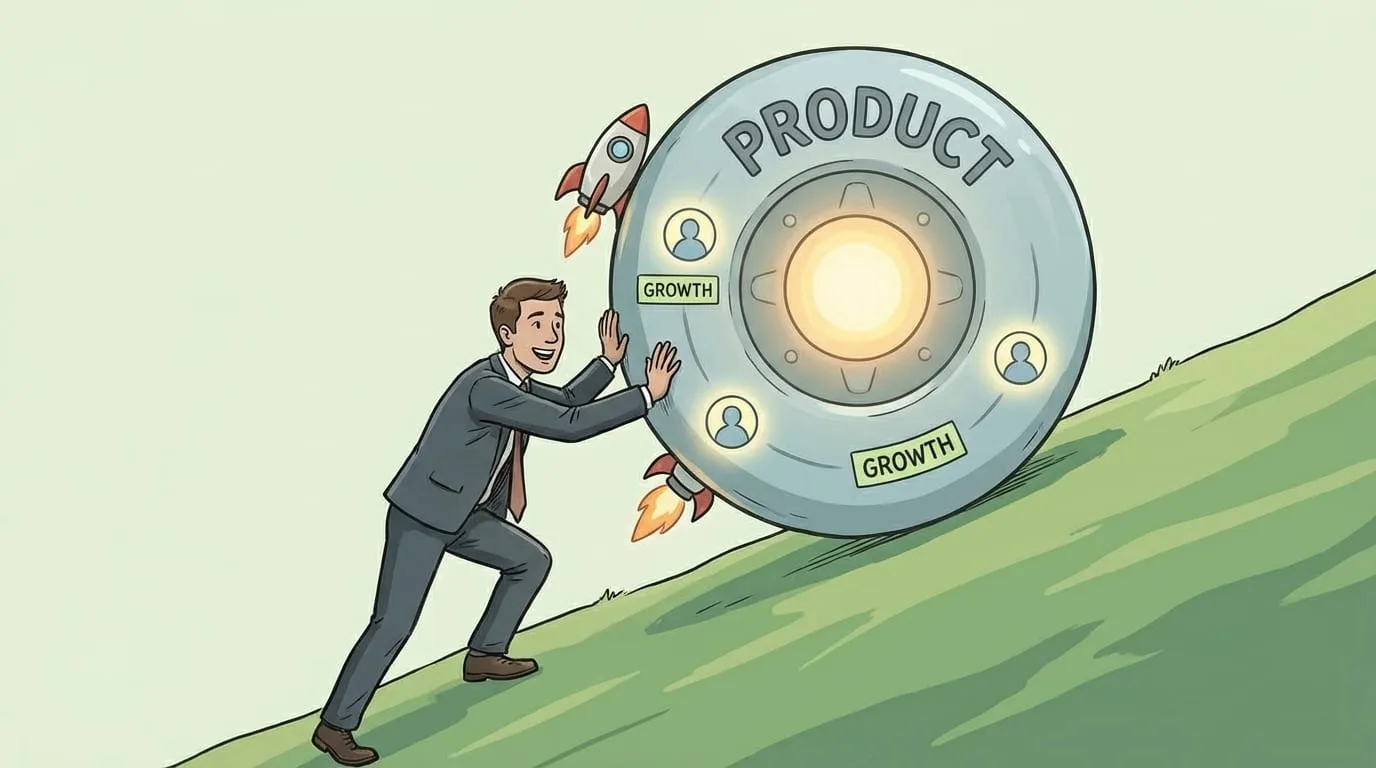
Historically, enterprise software sales relied on aggressive sales teams and lengthy procurement processes. Today, a new paradigm is dominating the SaaS landscape: Product-Led Growth (PLG).
Companies like Slack, Zoom, Figma, and Notion have proven that letting users experience value before purchasing creates explosive growth. Slack grew from 0 to $1B ARR faster than any SaaS company in history-without a traditional enterprise sales motion.
PLG isn't just a go-to-market strategy-it's a fundamental shift in how software companies operate.
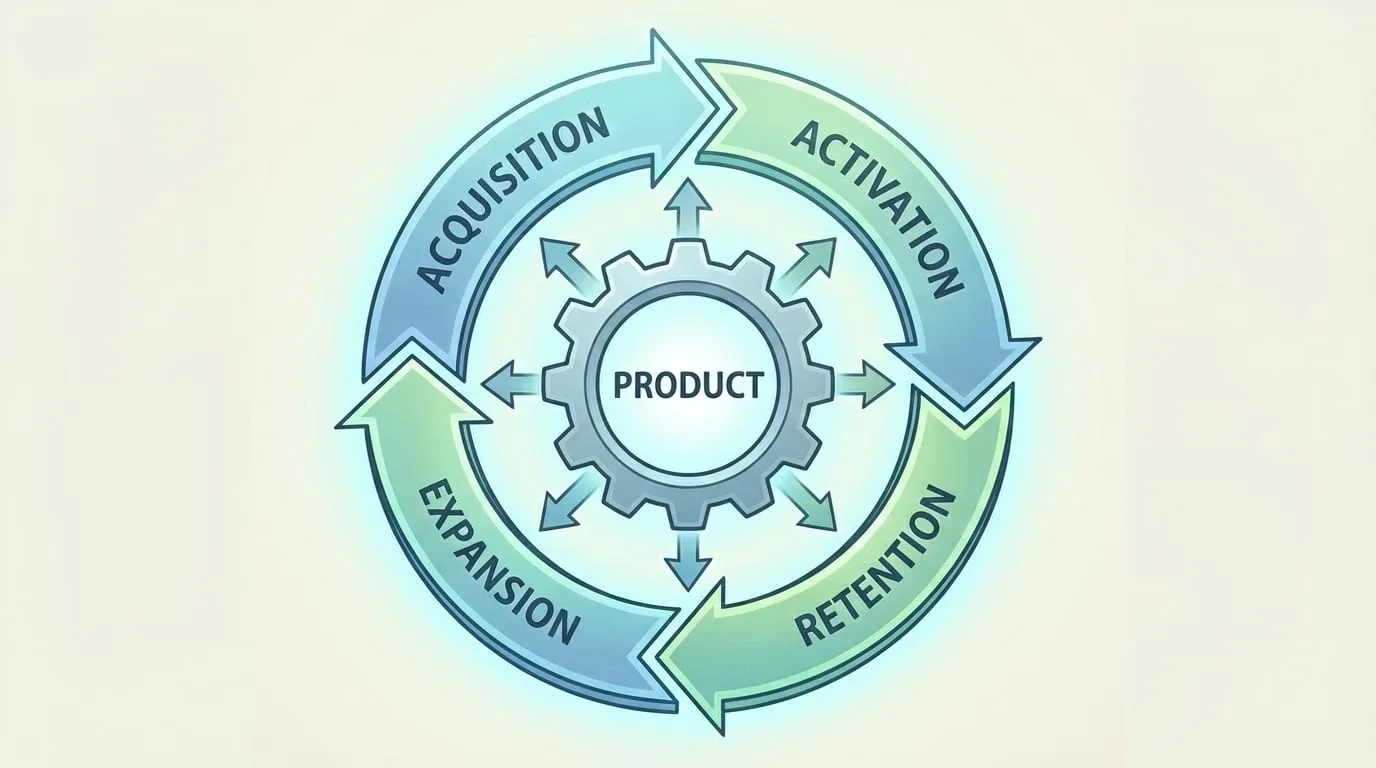
What is Product-Led Growth?
PLG is a business methodology where the product itself is the primary driver of customer acquisition, conversion, conversion, and expansion.
Product-Led vs Sales-Led Growth
──────────────────────────────────────────────────────────────────

Sales-Led Growth (SLG)                    Product-Led Growth (PLG)
─────────────────────                     ─────────────────────────

Marketing → MQL → SDR → Demo → Proposal → Contract
                        │
              Weeks/Months of Sales Cycle

vs.

User → Signup → Experience Value → Upgrade → Expand
                      │
            Minutes/Days to Value


Key Differences:
├── Entry Point: Sales call vs. Self-serve signup
├── Time to Value: Weeks vs. Minutes
├── Decision Maker: Executive vs. End user
├── Expansion: Top-down vs. Bottom-up
└── CAC: $20K+ vs. <$1K per customer
The PLG Spectrum
Not all PLG is the same. Companies exist on a spectrum:
| Model | Example | Free Tier | Sales Involvement |
|---|---|---|---|
| Pure PLG | Notion, Figma | Generous free forever | Minimal (enterprise only) |
| PLG + Sales | Slack, Zoom | Free tier + paid tiers | Sales for enterprise |
| Sales-Assisted PLG | Datadog, Snowflake | Free trial | Sales supports conversion |
| Hybrid | Salesforce, HubSpot | Free tools | Strong sales motion |
The PLG Flywheel
The magic of PLG is the flywheel effect-users drive more users.
The PLG Flywheel
──────────────────────────────────────────────────────────────────

                    ┌─────────────────────┐
                    │     ACQUIRE         │
                    │                     │
                    │  • SEO / Content    │
                    │  • Word of Mouth    │
                    │  • Viral Loops      │
                    └──────────┬──────────┘
                               │
              ┌────────────────┴────────────────┐
              ▼                                 │
    ┌─────────────────┐                         │
    │    ACTIVATE     │                         │
    │                 │                         │
    │ • Aha Moment    │                         │
    │ • Quick Win     │                         │
    │ • Onboarding    │                         │
    └────────┬────────┘                         │
             │                                  │
             ▼                                  │
    ┌─────────────────┐                         │
    │    ENGAGE       │                         │
    │                 │                         │
    │ • Daily Use     │                         │
    │ • Feature       │                         │
    │   Discovery     │                         │
    └────────┬────────┘                         │
             │                                  │
             ▼                                  │
    ┌─────────────────┐                         │
    │   MONETIZE      │                         │
    │                 │                         │
    │ • Upgrade       │                         │
    │ • Seat Expansion│                         │
    │ • Add-ons       │                         │
    └────────┬────────┘                         │
             │                                  │
             ▼                                  │
    ┌─────────────────┐                         │
    │     EXPAND      │──────────────────────────┘
    │                 │
    │ • Team Invites  │  ◄── Drives new acquisition
    │ • Referrals     │
    │ • Word of Mouth │
    └─────────────────┘

Each stage feeds the next. Happy users invite colleagues,
who become new users, who invite more colleagues...
PLG Metrics Framework
Different metrics matter at each stage of the flywheel.
Acquisition Metrics
| Metric | Definition | Benchmark |
|---|---|---|
| Signup Rate | Visitors → Signups | 2-5% |
| Signup to Activation | Signups → Activated users | 20-40% |
| CAC | Cost to acquire a customer | <$1K for SMB |
| Viral Coefficient | New users per existing user | >1.0 = viral |
Activation Metrics
The "Aha Moment" is when users first experience your product's core value.
Finding Your Aha Moment
──────────────────────────────────────────────────────────────────

Example: Slack
├── Initial Theory: "Send a message"
├── Analysis: Correlated actions with retention
├── Finding: Teams that sent 2,000+ messages had 93% retention
└── Aha Moment: "Collaborate with your team on Slack"

Example: Dropbox
├── Initial Theory: "Upload a file"
├── Analysis: Correlated actions with paid conversion
├── Finding: Users who installed on 2+ devices converted 3x more
└── Aha Moment: "Access your files from anywhere"

Example: Figma
├── Initial Theory: "Create a design"
├── Analysis: Correlated actions with team expansion
├── Finding: Users who shared a file had 10x higher LTV
└── Aha Moment: "Collaborate on design in real-time"
Activation Analysis Code
// Finding activation correlations with retention
interface UserAction {
  userId: string;
  action: string;
  timestamp: Date;
  daysSinceSignup: number;
}

interface ActivationMetric {
  action: string;
  threshold: number;
  retentionCorrelation: number;
  conversionLift: number;
}

async function findAhaMoment(
  actions: UserAction[],
  retainedUsers: Set<string>,
  convertedUsers: Set<string>
): Promise<ActivationMetric[]> {
  const actionCounts = new Map<string, Map<string, number>>();

  // Count actions per user in first 7 days
  for (const action of actions) {
    if (action.daysSinceSignup <= 7) {
      const userActions = actionCounts.get(action.userId) || new Map();
      userActions.set(action.action, (userActions.get(action.action) || 0) + 1);
      actionCounts.set(action.userId, userActions);
    }
  }

  // Analyze correlation with retention
  const actionTypes = new Set<string>();
  for (const userActions of actionCounts.values()) {
    for (const action of userActions.keys()) {
      actionTypes.add(action);
    }
  }

  const results: ActivationMetric[] = [];

  for (const actionType of actionTypes) {
    // Test different thresholds
    for (const threshold of [1, 3, 5, 10, 25]) {
      const usersAboveThreshold = new Set<string>();

      for (const [userId, actions] of actionCounts.entries()) {
        if ((actions.get(actionType) || 0) >= threshold) {
          usersAboveThreshold.add(userId);
        }
      }

      // Calculate retention rate for users above threshold
      let retainedAboveThreshold = 0;
      let convertedAboveThreshold = 0;

      for (const userId of usersAboveThreshold) {
        if (retainedUsers.has(userId)) retainedAboveThreshold++;
        if (convertedUsers.has(userId)) convertedAboveThreshold++;
      }

      const retentionRate = retainedAboveThreshold / usersAboveThreshold.size;
      const conversionRate = convertedAboveThreshold / usersAboveThreshold.size;

      results.push({
        action: actionType,
        threshold,
        retentionCorrelation: retentionRate,
        conversionLift: conversionRate,
      });
    }
  }

  // Sort by retention correlation
  return results.sort(
    (a, b) => b.retentionCorrelation - a.retentionCorrelation
  );
}
Engagement Metrics
| Metric | Definition | Why It Matters |
|---|---|---|
| DAU/MAU | Daily active / Monthly active | Measures stickiness |
| Feature Adoption | % users using key features | Indicates depth of usage |
| Time in App | Average session duration | Quality of engagement |
| Workflow Completion | % completing key workflows | Product-market fit signal |
Monetization Metrics
Conversion Funnel Analysis
──────────────────────────────────────────────────────────────────

Signups (100%)
    │
    ├── 60% Complete onboarding
    │       │
    │       ├── 40% Reach activation
    │       │       │
    │       │       ├── 25% Show buying intent
    │       │       │       │
    │       │       │       ├── 15% Start trial
    │       │       │       │       │
    │       │       │       │       └── 8% Convert to paid
    │       │       │       │               │
    │       │       │       │               └── 4% Expand (add seats)
    │       │       │       │
    │       │       │       └── 10% Contact sales
    │       │       │
    │       │       └── 15% Churned (not activated)
    │       │
    │       └── 20% Churned (onboarding drop-off)
    │
    └── 40% Never completed onboarding


Key Metrics:
├── Free-to-Paid Conversion: 8% (benchmark: 3-10%)
├── Time to Conversion: 14 days average
├── ARPU: $45/month
└── LTV:CAC Ratio: 4.5:1
The PLG Playbook
Step 1: Design for Immediate Value
Users should experience value within minutes, not days.
Time-to-Value Optimization
──────────────────────────────────────────────────────────────────

Bad Onboarding:
┌─────────────────────────────────────────────────────────────┐
│ Welcome! Let's get you set up.                              │
│                                                             │
│ Step 1: Complete your profile (5 min)                       │
│ Step 2: Invite your team (2 min)                            │
│ Step 3: Watch tutorial video (10 min)                       │
│ Step 4: Configure integrations (15 min)                     │
│ Step 5: Schedule training call (3 days wait)                │
│                                                             │
│ Total time to value: 3+ days                                │
└─────────────────────────────────────────────────────────────┘

Good Onboarding:
┌─────────────────────────────────────────────────────────────┐
│ Welcome, Sarah! Here's a project we created for you.        │
│                                                             │
│ ┌─────────────────────────────────────────────────────────┐ │
│ │ 📊 Your First Dashboard                                 │ │
│ │                                                         │ │
│ │ [Your data is already visualized]                       │ │
│ │                                                         │ │
│ │ We connected to your Stripe account and created         │ │
│ │ this revenue dashboard automatically.                   │ │
│ └─────────────────────────────────────────────────────────┘ │
│                                                             │
│ Time to value: 2 minutes                                    │
└─────────────────────────────────────────────────────────────┘
Step 2: Build Viral Loops
Design collaboration and sharing into the core product.
| Viral Mechanism | Example | Implementation |
|---|---|---|
| Collaboration | Figma, Notion | Require sharing to complete workflows |
| Network Effects | Slack, Discord | Product is better with more users |
| User-Generated Content | Canva, Miro | Users create shareable assets |
| Powered By | Typeform, Calendly | Branding on shared outputs |
| Referral Programs | Dropbox | Incentivize direct invitations |
Step 3: Implement Product-Qualified Leads (PQLs)
Replace marketing-qualified leads with product usage signals.
// PQL Scoring Model
interface ProductUsage {
  userId: string;
  companyId: string;

  // Activation signals
  completedOnboarding: boolean;
  reachedAhaMoment: boolean;
  daysSinceSignup: number;

  // Engagement signals
  dau7: number; // Days active in last 7
  featuresUsed: number;
  workflowsCompleted: number;

  // Expansion signals
  teamSize: number;
  invitesSent: number;
  sharingActivity: number;

  // Intent signals
  viewedPricing: boolean;
  hitUsageLimits: boolean;
  requestedFeature: boolean;
}

interface PQLScore {
  score: number; // 0-100
  tier: "hot" | "warm" | "cold";
  signals: string[];
  recommendedAction: string;
}

function calculatePQLScore(usage: ProductUsage): PQLScore {
  let score = 0;
  const signals: string[] = [];

  // Activation (30 points max)
  if (usage.completedOnboarding) {
    score += 10;
    signals.push("Completed onboarding");
  }
  if (usage.reachedAhaMoment) {
    score += 20;
    signals.push("Reached aha moment");
  }

  // Engagement (30 points max)
  const engagementScore = Math.min(30, usage.dau7 * 4);
  score += engagementScore;
  if (usage.dau7 >= 5) {
    signals.push(`High engagement: ${usage.dau7}/7 days active`);
  }

  // Team/Expansion (25 points max)
  if (usage.teamSize > 1) {
    score += Math.min(15, usage.teamSize * 3);
    signals.push(`Team of ${usage.teamSize} users`);
  }
  if (usage.invitesSent > 0) {
    score += Math.min(10, usage.invitesSent * 2);
    signals.push(`Sent ${usage.invitesSent} invites`);
  }

  // Intent signals (15 points max)
  if (usage.viewedPricing) {
    score += 5;
    signals.push("Viewed pricing page");
  }
  if (usage.hitUsageLimits) {
    score += 10;
    signals.push("Hit usage limits");
  }

  // Determine tier and action
  let tier: "hot" | "warm" | "cold";
  let recommendedAction: string;

  if (score >= 70) {
    tier = "hot";
    recommendedAction = "Sales outreach within 24 hours";
  } else if (score >= 40) {
    tier = "warm";
    recommendedAction = "Automated upgrade campaign";
  } else {
    tier = "cold";
    recommendedAction = "Continue nurturing with in-app guidance";
  }

  return { score, tier, signals, recommendedAction };
}
Step 4: Optimize the Upgrade Experience
Make upgrading frictionless and contextual.
Upgrade Trigger Points
──────────────────────────────────────────────────────────────────

1. Usage Limit Reached
┌─────────────────────────────────────────────────────────────┐
│ ⚠️ You've used 95 of 100 free projects                      │
│                                                             │
│ Upgrade to Pro for unlimited projects                       │
│                                                             │
│ [Continue Free]  [Upgrade to Pro - $12/mo]                  │
└─────────────────────────────────────────────────────────────┘

2. Premium Feature Attempted
┌─────────────────────────────────────────────────────────────┐
│ 🔒 Advanced Analytics is a Pro feature                      │
│                                                             │
│ See how your team is using the platform with:               │
│ ✓ Usage dashboards                                          │
│ ✓ Team activity reports                                     │
│ ✓ Export to CSV/PDF                                         │
│                                                             │
│ [Start 14-day trial]  [Learn more]                          │
└─────────────────────────────────────────────────────────────┘

3. Team Growth
┌─────────────────────────────────────────────────────────────┐
│ 🎉 Your team is growing!                                    │
│                                                             │
│ You've invited 4 people. With 5+ team members,              │
│ unlock team features:                                       │
│ ✓ Admin controls                                            │
│ ✓ Team workspaces                                           │
│ ✓ Priority support                                          │
│                                                             │
│ [Upgrade to Team - $8/user/mo]                              │
└─────────────────────────────────────────────────────────────┘
Organizational Changes for PLG
PLG requires rethinking your entire organization.
PLG Organizational Structure
──────────────────────────────────────────────────────────────────

Traditional SaaS Org:
┌─────────────────────────────────────────────────────────────┐
│                          CEO                                │
│    ┌──────────┬──────────┬──────────┬──────────┐           │
│    │          │          │          │          │           │
│  Sales     Marketing  Product   Engineering  Support       │
│  (50%)      (20%)     (15%)      (15%)       (varies)      │
└─────────────────────────────────────────────────────────────┘

PLG Org:
┌─────────────────────────────────────────────────────────────┐
│                          CEO                                │
│    ┌──────────┬──────────┬──────────┬──────────┐           │
│    │          │          │          │          │           │
│ Growth    Product   Engineering  Customer   Sales          │
│  (15%)     (25%)      (40%)      Success    (Enterprise)   │
│                                   (15%)       (5%)         │
└─────────────────────────────────────────────────────────────┘

Key Shifts:
├── Growth team owns acquisition + activation
├── Product team owns conversion + engagement
├── Engineering is the largest investment
├── Sales focuses only on enterprise
└── Customer Success prevents churn
New Roles in PLG
| Role | Responsibility | Key Metrics |
|---|---|---|
| Growth PM | Acquisition and activation | Signup rate, activation rate |
| Growth Engineer | Experiments and optimization | Conversion lift, experiment velocity |
| Product Analytics | Usage insights and PQL scoring | Data quality, insight generation |
| Customer Success | Onboarding and expansion | NRR, health scores |
| Solutions Engineer | Enterprise POCs | Enterprise conversion rate |
PLG Anti-Patterns
Common mistakes that kill PLG initiatives:
| Anti-Pattern | Why It Fails | Better Approach |
|---|---|---|
| Gating everything | No value before paywall | Show value first, monetize later |
| Requiring sales call | Friction kills conversion | Self-serve as default |
| Complex onboarding | Users give up | Progressive disclosure |
| No viral hooks | Growth stalls | Design sharing into product |
| Ignoring enterprise | Leave money on table | PLG + Sales for large deals |
| Measuring MQLs | Wrong signals | Focus on PQLs and activation |
Measuring PLG Success
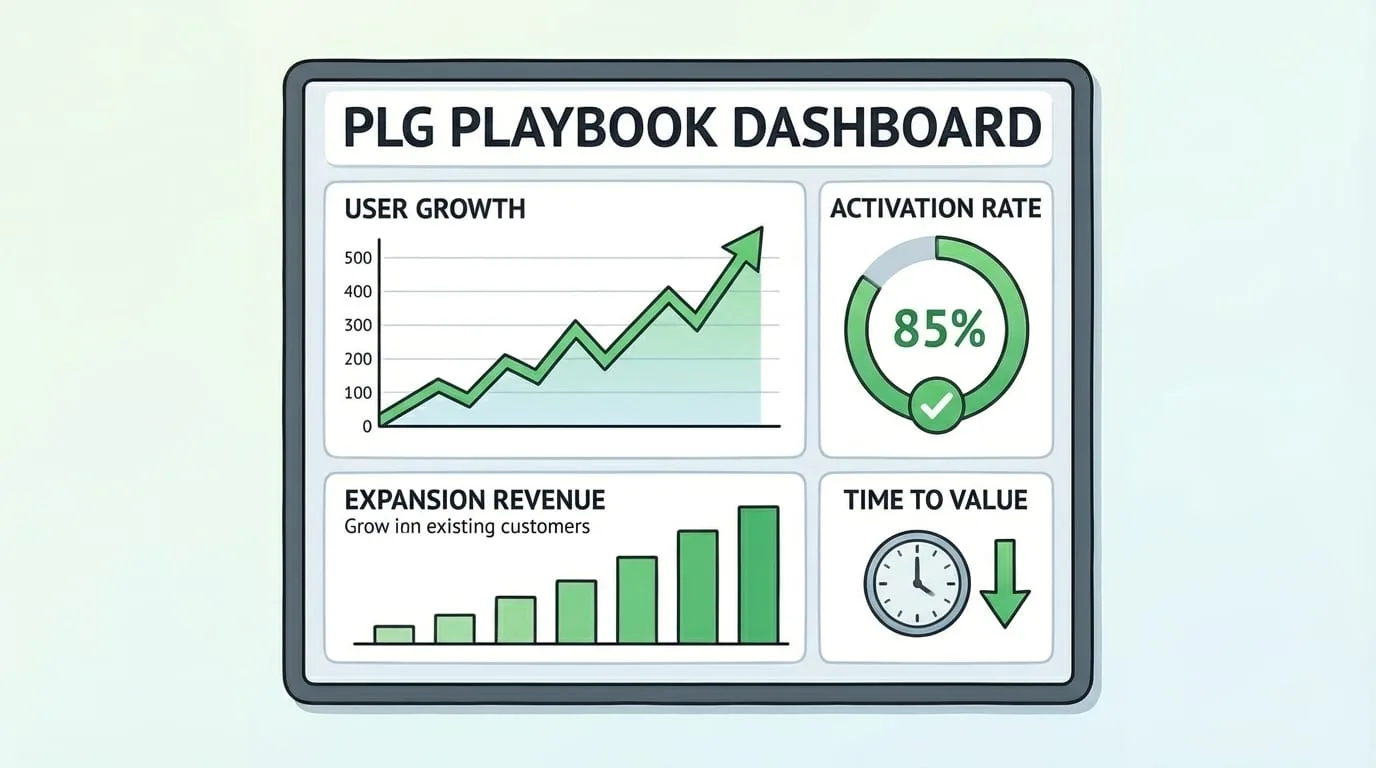
PLG Metrics Dashboard
──────────────────────────────────────────────────────────────────

ACQUISITION
├── Website → Signup: 4.2% (target: 5%)
├── Signup → Activation: 32% (target: 40%)
└── Viral Coefficient: 0.8 (target: 1.0+)

ENGAGEMENT
├── DAU/MAU: 45% (target: 40%) ✓
├── Feature Adoption: 62% (target: 60%) ✓
└── NPS: 52 (target: 50+) ✓

MONETIZATION
├── Free → Paid: 6.5% (target: 8%)
├── Time to Conversion: 18 days (target: 14 days)
├── ARPU: $52 (target: $50) ✓
└── Payback Period: 8 months (target: 12 months) ✓

EXPANSION
├── Net Revenue Retention: 115% (target: 120%)
├── Seat Expansion: 25%/year (target: 30%)
└── Upgrade Rate: 12%/year (target: 15%)
Key Takeaways
- PLG is a complete business model, not just a pricing strategy
- The product is your best salesperson-invest in user experience
- Time-to-value is critical-users should experience value in minutes
- Viral loops drive growth-design sharing into the product
- Replace MQLs with PQLs-usage data predicts conversion better
- Organizational change is required-shift investment to product and engineering
- PLG + Sales works-use sales for enterprise, PLG for SMB
- Measure the flywheel-acquisition, activation, engagement, monetization, expansion
PLG isn't the right fit for every product, but for the right use cases, it creates unstoppable growth flywheels that compound over time.
Ready to implement Product-Led Growth? Contact EGI Consulting for a PLG assessment and implementation roadmap tailored to your SaaS product.
Keep reading
All articles
MVP vs Prototype vs Proof of Concept: How to Choose the Right Validation Approach
The Business ROI of Web Accessibility: Why A11y Is Your Competitive Advantage

From Project to Product: A Complete Guide to Transforming Digital Delivery for the Modern Enterprise
Get new articles by email.
One or two a month. No marketing, no forwarding your address. Unsubscribe anytime.